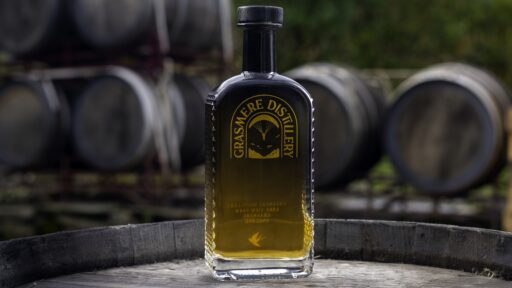
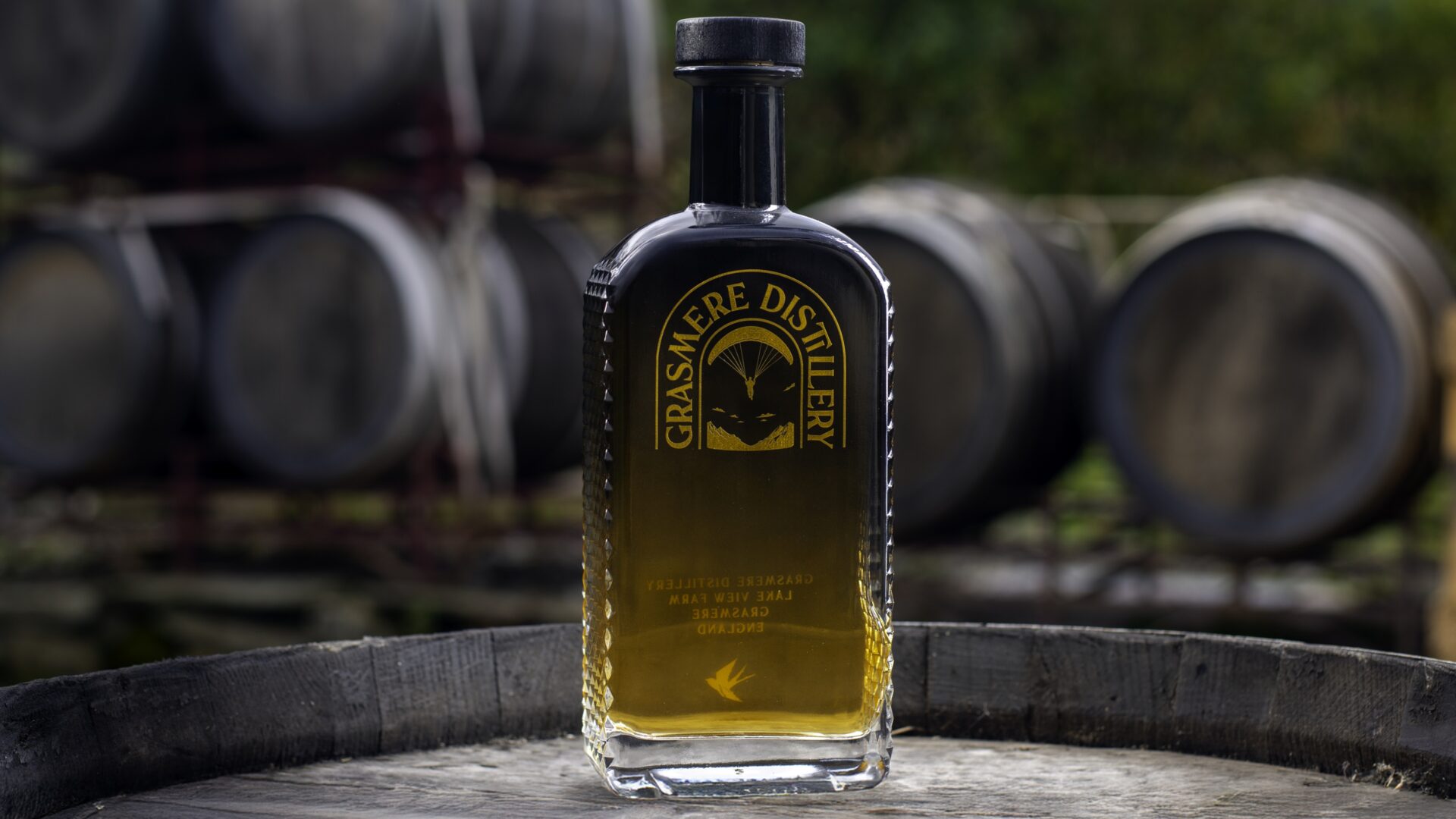
Grasmere Distillery is preparing to begin on-site malting from autumn 2026, marking a key step in its ambition to produce the first 100% Cumbrian whisky.
Located in the Lake District, the distillery is developing a grain-to-glass approach, starting with locally grown barley. In collaboration with Jonathan Bainbridge of Thistlewood Farm, co-founder and head distiller Paul Abbott has overseen the planting of the distillery’s first barley crop, expected to be harvested in August 2026.
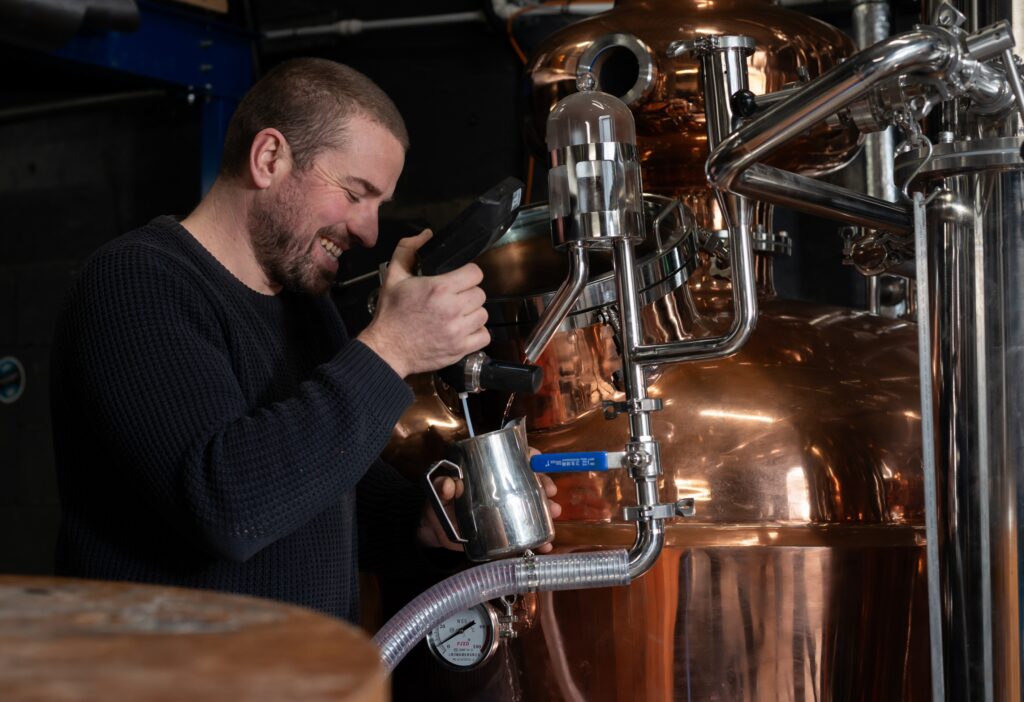
The initial yield of eight tonnes will support both brewing and early-stage whisky production trials, including experimentation with varying peat levels to shape the distillery’s future house style.
The long-term strategy extends beyond a single release, with plans to collaborate with growers across Cumbria to create region-specific whiskies, reflecting the county’s distinct terroirs.
To facilitate this development, Grasmere has invested in small-scale malting infrastructure, including a stainless-steel immersion tank, mash tun with heat control, and grain handling systems. A bespoke kiln, developed with a local blacksmith, will enable the full malting cycle to be completed on site.
The malting process itself involves steeping, germination and kilning, during which peat smoke can be introduced to influence flavour. Once dried, the malt will be used in distillation, with each harvest expected to produce up to four casks of whisky.
Given standard maturation timelines, the first fully Cumbrian whisky releases are anticipated from 2032 onwards, following a minimum six-year ageing period.
In the shorter term, the distillery plans to release malt-forward beers made using its own barley later in 2026, offering an early insight into the character of its locally sourced raw materials.
The project highlights a growing trend among smaller producers towards regional identity, traceability, and vertical integration, as distilleries seek greater control over raw materials and production processes.